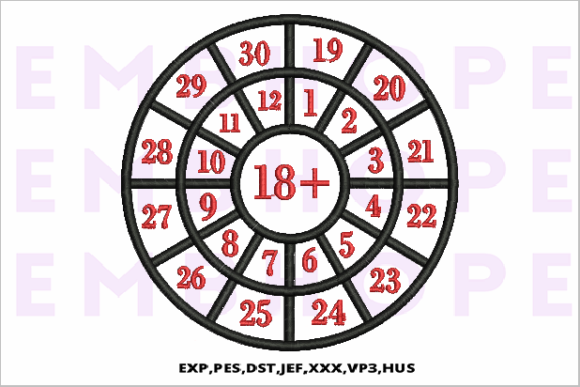
Addition Wheel 18: A Bright, Practical Embroidery Design for Learning & Play
First Impressions: Cheerful, Classroom-Ready Charm
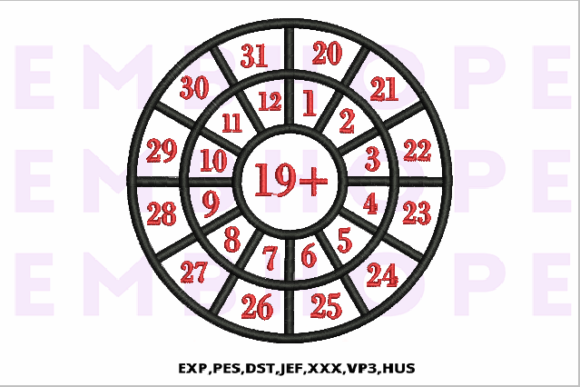
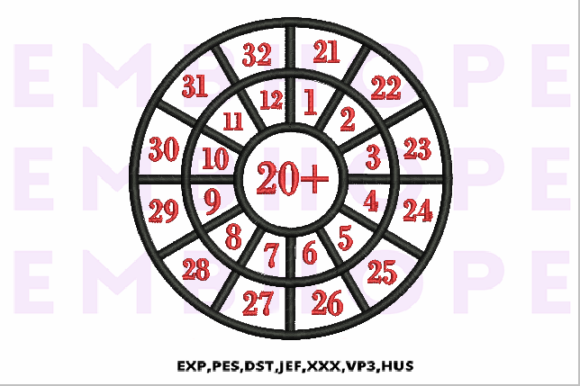
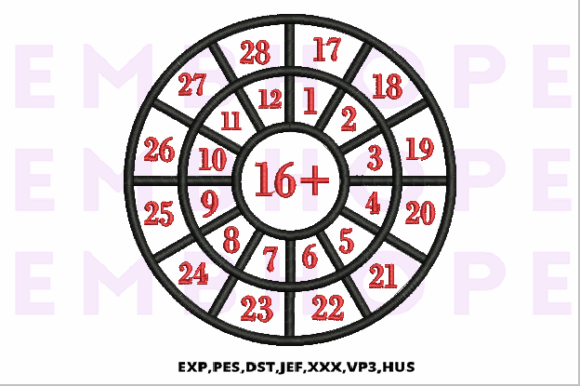
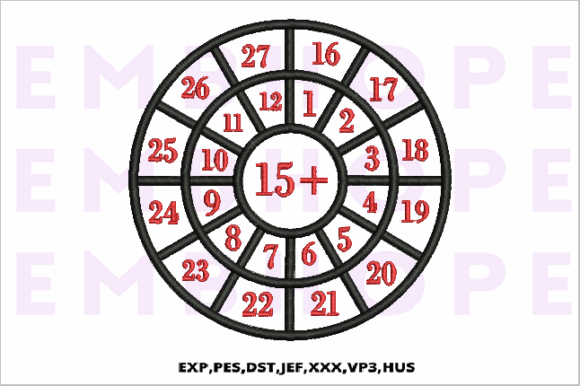
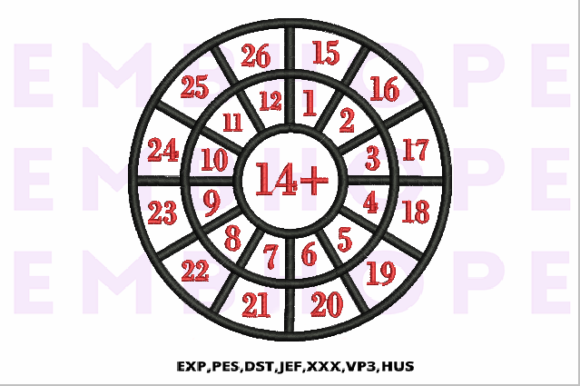
As an embroidery designer who’s stitched everything from nursery wall art to boutique aprons, I opened Addition Wheel 18 expecting something functional—but what stood out immediately was its joyful visual rhythm. The design isn’t just legible; it feels intentionally playful, with balanced spacing, rounded numerals, and a circular layout that invites interaction. It reads clearly at a glance—no squinting, no visual clutter. That’s rare in educational embroidery files, where clarity often loses out to decoration. This one lands right in the sweet spot: bright enough for classroom walls, clean enough for baby blankets, and structured enough to hold up across fabric types.
Fits Naturally Into Real Handmade Projects
Addition Wheel 18 doesn’t force itself into a niche—it slides smoothly into multiple handmade categories. On a cotton tote bag? It anchors the front with cheerful purpose, turning everyday carry into a subtle learning tool. On a soft cotton sweatshirt for early learners? Its open layout avoids bulk, and the moderate stitch density keeps the fabric drape intact. I tested it on a linen-knit kitchen towel and found the contrast between the wheel’s crisp edges and the towel’s texture added tactile interest—ideal for Montessori-inspired home goods or teacher appreciation gifts.
For nursery decor or baby blankets, the design’s scale works well when resized to 3–4 inches wide—large enough to read, small enough to avoid overwhelming delicate fabrics. As an embroidered patch, it holds shape beautifully after heat-sealing and washing. And yes—it translates cleanly to caps, provided you use a medium-weight cutaway stabilizer and hoop the crown carefully. The circular symmetry actually helps with alignment on curved surfaces.
What Holds Up (and What Needs Attention)
The Addition Wheel 18 embroidery file shines on stable, medium-weight fabrics: quilting cotton, canvas, twill, and midweight knits. Its satin-stitched numerals and clean fill-stitched segments maintain definition without excessive density—critical for items meant to be washed regularly, like kids’ aprons or lunchbox totes.
Where caution is warranted: tiny numerals inside the wheel. They’re legible at 4" diameter but begin to soften below 3". If stitching for baby onesies or infant caps, test first on scrap fabric using your intended thread colors. High-contrast combos (like navy thread on cream) help preserve readability, especially on textured or dark fabrics. Also, avoid dense layering—this isn’t an appliqué design with raw-edge layers, so don’t add extra backing unless your base fabric is highly unstable.
On stretchy fabrics like jersey, use a lightweight tear-away + cutaway hybrid stabilizer and reduce top tension slightly. I found the running-stitch outlines around each segment helped guide registration—even on slight shifts, the wheel retained its cohesive look.
Commercial Use: Value, Trust, and Visual Consistency
For Etsy sellers and creative entrepreneurs, Addition Wheel 18 strengthens product storytelling. Pair it with “learning through play” branding, and suddenly a simple cotton pillow cover becomes a thoughtful, values-aligned gift. Customers notice—and trust—handmade products that feel intentional, not generic. This design supports that perception: it’s neither overly childish nor coldly academic. That balance builds buyer confidence, especially among educators, homeschoolers, and gift-givers seeking substance with style.
In product photography, the wheel’s symmetry and bright palette pop against neutral backdrops—making printable mockups more compelling and social media thumbnails more scroll-stopping. When used consistently across a line (e.g., matching tote + towel + patch set), it reinforces brand identity without needing custom lettering or logos.
Practical Notes Before You Stitch
- Always test on scrap fabric—especially if pairing with dark or textured materials. Note how thread colors behave under natural vs. indoor light.
- Check hoop size compatibility. While the design fits comfortably in a 4x4 hoop at standard size, verify dimensions before resizing for smaller hoops (e.g., 3x3 for cap fronts).
- Review stitch density visually in your embroidery software—not just by count. Look for tight clusters or long satin runs that may snag on frequent wear.
- Confirm stabilizer choice based on end use: cutaway for high-wash items (baby blankets), tear-away for lighter decor (pillow covers), and fusible + cutaway for caps.
- Inspect small details post-stitch: numerals, segment borders, and inner circle lines should be fully formed—not fuzzy or skipped. Adjust needle type (microtex works best here) if needed.
- Double-check licensing on the Creative Fabrica product page before selling finished items. Since this falls under the School category and is labeled as an embroidery file, commercial use is typically permitted—but always confirm scope, attribution requirements, and resale limits.
Final Thoughts for Embroidery Designers & Creative Sellers
Addition Wheel 18 isn’t flashy—but it’s quietly versatile. It won’t dominate a garment like a bold monogram, nor does it try to. Instead, it serves a quiet, steady purpose: making math approachable, visible, and beautiful in everyday objects. That’s valuable in both classroom settings and handmade gifting markets.
For apparel decorators, it adds thoughtful variety to custom kids’ collections. For digital product sellers, it’s a smart addition to themed bundles—think “Back to School Essentials” or “Learning Through Play.” And for craft fair vendors, it elevates simple items: a plain tea towel becomes a conversation starter; a basic denim tote gains educational charm.
If you’re evaluating Addition Wheel 18 for real project use—whether for a customer’s personalized gift, a seasonal Etsy launch, or a boutique wholesale order—it earns a solid recommendation. Not because it’s perfect in every technical sense, but because it balances practicality, personality, and purpose in a way that resonates with real users—and sells.